Weston Stone Masonry: Your Top Questions Answered by a Local Pro
Thinking about adding some stonework to your Weston property? Or maybe you've got an old wall that's seen better days? Homeowners around here ask me a lot of questions, and that's great. It shows you're doing your homework, right? So, let's dive into some of the most common things folks ask me about stone masonry.
What's the difference between dry-stacked and mortared stone walls?
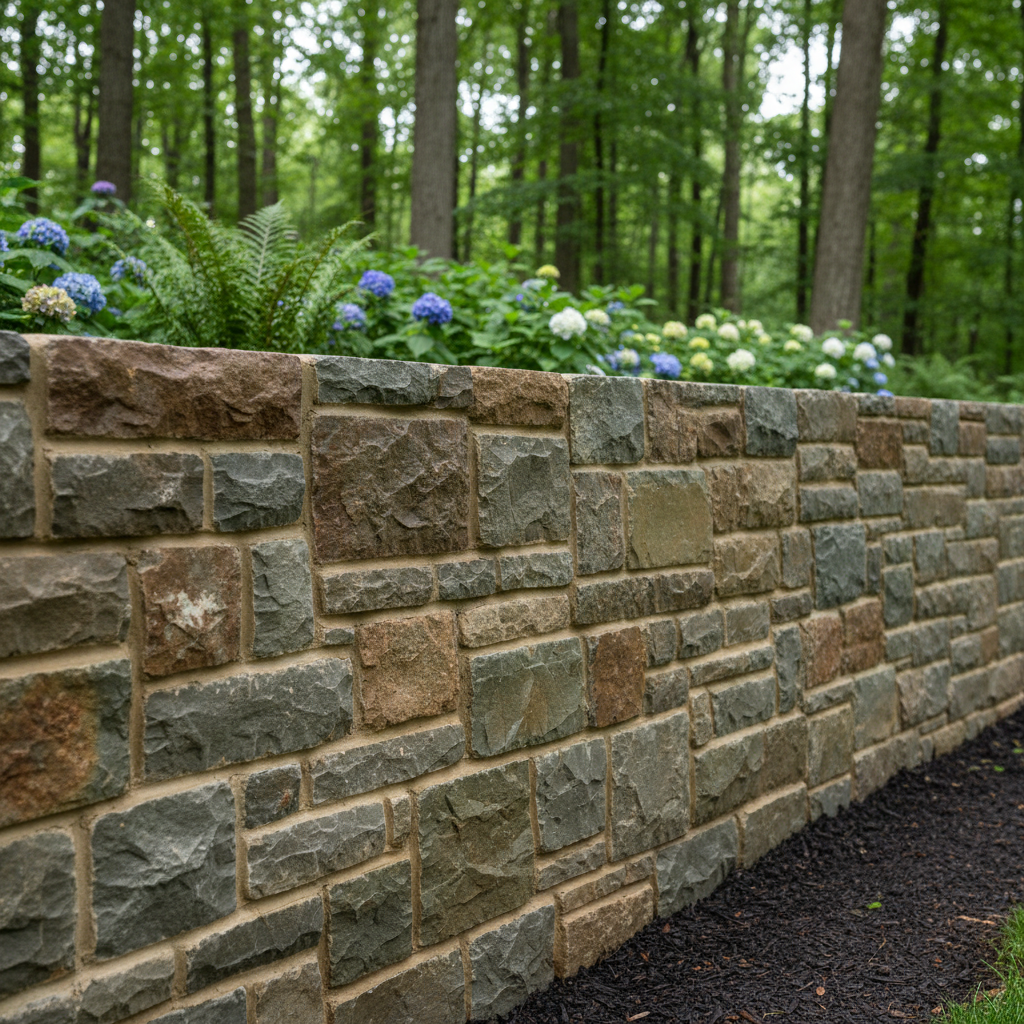
This is a big one, and it really comes down to how the stones stay together. A dry-stacked wall, just like it sounds, uses no mortar at all. It's all about gravity, friction, and carefully interlocking each stone. You'll often see these in older, more rustic settings, or for garden walls where good drainage is super important. They can be incredibly strong if built right, but they demand a lot of skill to get the stones to fit snugly without any mortar. Mortared walls, on the other hand, use a cement-based mix to bind the stones. This creates a much more rigid structure. People often use them for retaining walls that need to hold back a lot of earth, or for facades where you want a very finished, uniform look. Mortared walls generally cost more because of the material and the extra labor involved in mixing and applying the mortar, but they offer a different look and often greater structural strength for certain jobs. For example, if you're building a substantial retaining wall along a sloped property in South Side, you'll almost certainly want a mortared wall for stability.
How much does stone masonry cost per square foot in Weston?
That's like asking how much a car costs, isn't it? It really varies. There's no single per-square-foot price because so many things come into play. Are we talking about a simple garden edge, a complex retaining wall, a stone veneer on your house, or a bluestone patio? The type of stone is a huge factor – natural fieldstone from New England is quite different from imported granite or cultured stone. The design's complexity, how easy it is to access the site, any excavation needs, and even the time of year can all affect the price. Generally, you're looking at a range from $40 to $100+ per square foot for materials and labor, but that's a very rough guess. A small, straightforward project might be on the lower end, while a complex, custom design with premium materials will be on the higher end. The best way to get an accurate number? Have a professional like Alpha Masonry Solutions come out, look at your specific project, and give you a detailed quote.
What kind of maintenance does stone masonry require?
One of the great things about stone is how durable it is, but that doesn't mean it needs zero maintenance. For dry-stacked walls, you might occasionally need to reset a stone that's shifted or clear out weeds that try to grow in the cracks. For mortared walls, the main thing to watch out for is the mortar joints. Over time, especially with our freeze-thaw cycles here in New England, mortar can crack, crumble, and deteriorate. This is called 'spalling' or 'efflorescence,' and it's a sign that water is getting in. When you see that, it's time for 'repointing' – carefully removing the old, damaged mortar and replacing it with new. Patios and walkways might need occasional cleaning to remove moss, algae, or dirt buildup, especially in shaded areas. A simple power wash (used carefully, not too high pressure) or scrubbing with a mild cleaner usually does the trick. Catching these issues early can prevent bigger, more expensive repairs down the road, believe me.
Can existing stone walls be repaired, or do they need to be rebuilt?
Most of the time, yes, existing stone walls can be repaired. It really depends on how bad the damage is. If it's just a few loose stones, some cracked mortar joints, or a section that's started to lean a bit, a skilled mason can usually fix it. We call that 'repointing' or 'tuckpointing' for the mortar work, or carefully taking apart and rebuilding a specific section. However, if the wall has completely failed, if the foundation has shifted significantly, or if it's leaning dangerously, a full rebuild might be the safer and more cost-effective option in the long run. Trying to patch up a fundamentally unsound structure is just throwing good money after bad. I always recommend having a professional assess the situation. We can tell you honestly if a repair will hold up or if it's time to start fresh.
What's the best stone for a patio or walkway in Weston?
For patios and walkways, you want something durable, slip-resistant, and good-looking. Bluestone is incredibly popular around here, and for good reason. It's dense, holds up well to our weather, and has a beautiful natural color variation. Granite is another excellent choice; it's extremely hard-wearing and comes in various colors. Fieldstone, while beautiful for walls, isn't typically used for walking surfaces unless it's cut into pavers, as its irregular shape can make for an uneven surface. Permeable pavers, which aren't natural stone but often mimic its look, are also gaining popularity, especially for driveways and larger patio areas, because they help with stormwater runoff. Ultimately, the 'best' stone depends on your budget, the look you're going for, and how much traffic the area will see. I've laid countless bluestone patios that look fantastic for decades.
How long does a typical stone masonry project take?
This is another one that's tough to give a single answer to, but I can give you a general idea. A small garden wall or a simple walkway might take a few days to a week. A larger patio, a complex retaining wall, or a full stone veneer on a house could easily take several weeks, or even a couple of months for very extensive projects. The weather plays a huge role too; we can't lay mortar in freezing temperatures, for example. Site preparation, stone delivery, and the specific crew size also factor in. When I give you a quote, I'll also provide an estimated timeline so you know what to expect. We always aim to work efficiently without cutting corners, because quality masonry takes time.