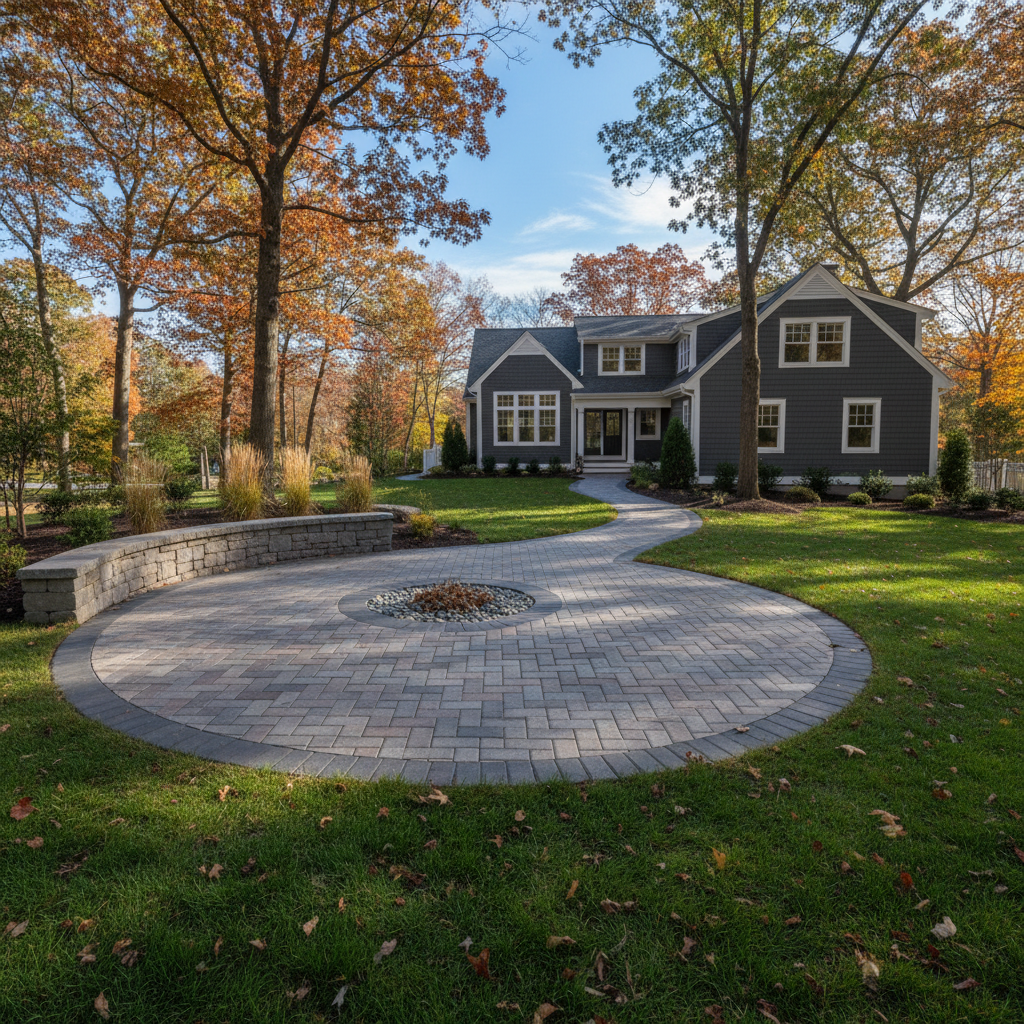
Thinking about new pavers for your patio, walkway, or driveway? Good call! It's a solid investment, really boosting your home's curb appeal and making those outdoor spaces more useful. But here in Weston, getting the timing right for installation isn't just about when I'm free; it's mostly about the weather and what that means for doing a quality job.
When's the Best Time to Install Pavers in Weston?
Honestly, the sweet spot for paver installation around here is spring and early fall. Why then? It really comes down to temperature and moisture. We need steady conditions so the base material compacts correctly and the jointing sand settles in just right.
- Spring (April-June): Once the ground thaws out completely and we're past the worst of those early spring downpours, it's prime time. The soil isn't frozen anymore, and temperatures are mild enough that the crew isn't battling extreme heat or bitter cold. This lets us get excellent compaction of the gravel base and sand setting bed, which is super important for a stable, long-lasting surface.
- Early Fall (September-October): This is another fantastic window. The summer heat has finally broken, but we're usually still clear of freezing nights. The ground is typically drier than in spring, which is a big plus, believe me. It gives us plenty of time to finish the job before winter truly sets in, letting the pavers settle nicely before those freeze-thaw cycles start up.
Summer can work, especially if it's not a scorcher, but intense heat can make the work tougher and impact how well the jointing sand cures—especially if you're using polymeric sand. Winter? Forget about it for new installations. You can't properly dig or compact a frozen base, and you definitely can't set pavers or jointing sand in freezing temperatures. That's just asking for trouble down the road, isn't it?
Weather Conditions That Affect Paver Work
It's not just the season; it's the day-to-day weather. As a contractor, I'm always glued to the forecast. Here’s what we keep an eye out for:
- No Heavy Rain: A little drizzle? Usually fine. But heavy rain can wash out our carefully prepared base, turn the site into a muddy mess, and make proper compaction impossible. It also makes installing jointing sand a nightmare. We actually need a few dry days *after* installation for polymeric sand to set up correctly.
- Moderate Temperatures: Extreme heat or cold just isn't ideal. In the summer, working on hot pavers can be brutal for the crew, and the heat can cause polymeric sand to cure too quickly or unevenly. In the colder months, anything below 35-40°F can make it impossible for polymeric sand to activate and harden, leaving your joints vulnerable.
- Low Humidity (for polymeric sand): If we're using polymeric sand, low humidity is our best friend. High humidity can mess with its curing process, making it less effective at locking your pavers in place.
Sometimes, we simply have to reschedule. It's not because we don't want to get the job done; it's because I won't ever compromise on quality. Pushing through bad weather just means you'll have problems later, and nobody wants that.
Protecting Your Paver Investment Year-Round
Once those pavers are down, you want them to last, right? Here’s what you can do to keep them looking great for years, especially with our Weston climate:
- Regular Cleaning: Sweep off leaves, dirt, and debris regularly. A good power wash once a year (on a low setting, and be careful around the joints!) can help remove grime and moss.
- Weed Control: Even with polymeric sand, some persistent weeds can find a way. Pull them quickly before they establish deep roots and start to lift pavers.
- Re-sanding Joints: Over time, jointing sand can erode or wash out. If you see gaps, sweep in new sand (either regular or polymeric) to keep the pavers locked tight and prevent movement. This is especially important after a harsh winter with lots of freeze-thaw cycles, which can be tough on joint integrity.
- Sealing (Optional but Recommended): A quality sealer can protect your pavers from stains, enhance their color, and make them easier to clean. It also adds another layer of defense against moisture penetration and joint erosion. Just make sure the pavers are clean and dry before applying.
- Winter Care: Be careful with de-icing salts. Some products can be corrosive to pavers, especially those with calcium chloride. Look for paver-safe options. And when you're shoveling or snow-blowing, try not to scrape the surface too aggressively.
A properly installed paver system by a company like Alpha Masonry Solutions should last you decades. But like any good investment, it needs a little care. Pay attention to the weather during installation, and give your pavers some love throughout the year. You'll be glad you did.