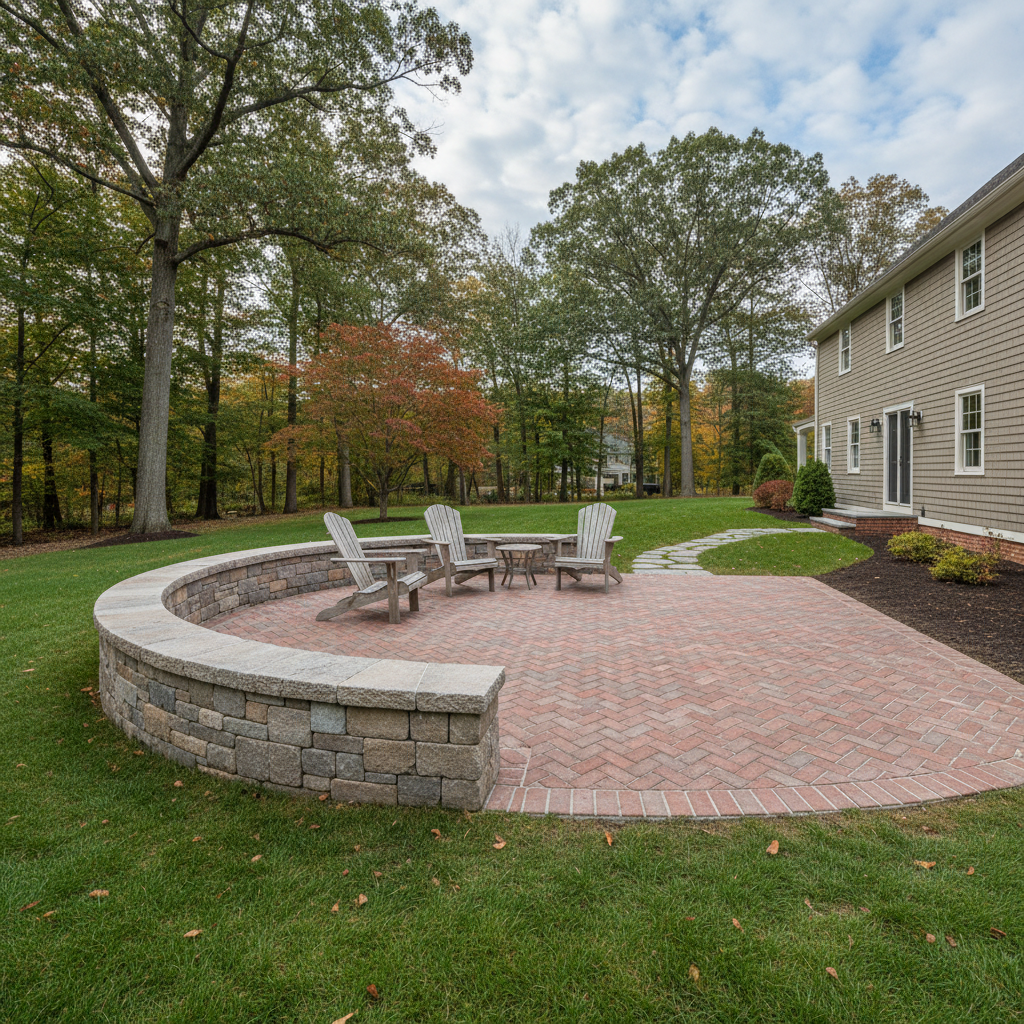
Thinking about new brickwork for your Weston home? Maybe a patio, a garden wall, or just fixing up some older sections? That's a solid investment, for sure. But a lot of folks don't really grasp just how much the weather messes with how good — and how long-lasting — masonry work turns out. It's not just about getting the job done, you know? It's about doing it *right*, so it actually lasts.
When's the Best Time for Laying Brick in Weston?
Honestly, the sweet spot for laying brick around here is usually spring and fall. Think moderate temperatures, not too hot, not too cold. That's when the mortar cures best. Mortar isn't like paint; it doesn't just dry. It cures, and that's a chemical process that needs pretty specific conditions to hit its maximum strength.
- Spring (April to early June): This is prime time. The ground has thawed, temperatures are consistently above freezing, and you usually don't get that intense summer heat yet. The mortar gets plenty of time to cure properly without drying out too fast.
- Fall (September to early November): Another excellent window. The summer humidity's gone, and the days are still warm enough. We *do* keep a close eye on those overnight temperatures, though. Once they dip consistently below 40°F, you start running into issues.
Summer can be okay, especially if it's not a super hot, humid stretch. But if it's 90 degrees and sunny, the water in the mortar can evaporate way too quickly. That leads to a weaker bond, and you might see cracking down the line. Winter? Forget about it for most exterior brick laying. Unless it's an emergency repair and we're using special cold-weather additives and protection, it's just not worth risking the quality.
How Weather Conditions Affect Brickwork
It's not just the season, really; it's the daily conditions. Every mason worth their salt pays close attention to the forecast, and for good reason.
- Temperature: This is a big one. For standard mortar, you want temperatures between 40°F and 90°F. If it's too cold, the water in the mortar can freeze before it cures, expanding and breaking the bond. If it's too hot, like I mentioned, it dries too fast. We *can* use special cold-weather mortars or hot-weather techniques, but it adds complexity and cost. Sometimes it's just better to wait for optimal conditions, don't you think?
- Moisture: Too much rain can wash out fresh mortar joints, making them weak or just plain ugly. We'll always cover new work if rain is on the way. On the flip side, very dry, windy conditions can also dry out mortar too fast. That's why we might mist it lightly or cover it to slow the curing process.
- Humidity: High humidity can slow down the curing process. That's not always a bad thing, but it means we need to be mindful of how long it takes for the mortar to set.
Here in Weston, especially with our older homes and the way the ground freezes and thaws, you really see the impact of poorly laid brickwork over time. Those freeze-thaw cycles we get can be brutal on masonry that wasn't installed correctly or cured under the right conditions. That's why Alpha Masonry Solutions always makes proper timing a top priority.
Protecting Your Brick Investment Year-Round
Once your brickwork is done, you want it to last. Here's what you can do:
- Keep an Eye on Drainage: Water is masonry's biggest enemy, period. Make sure your gutters are clean and directing water away from your foundation and brick walls. Poor drainage around your home, especially in areas like the Silver Hill neighborhood where some properties have sloped yards, can lead to water pooling and eventually damaging your brickwork.
- Regular Inspections: Take a walk around your house a couple of times a year. Look for cracks, crumbling mortar, or efflorescence (that white powdery stuff). Catching small issues early can save you a lot of money down the road.
- Clean Gently: If you need to clean your brick, use a soft brush and mild detergent. Avoid high-pressure washing, which can damage mortar joints and the brick itself.
- Seal if Recommended: Some brickwork, especially in high-exposure areas, might benefit from a breathable sealant. We can advise you if that's a good idea for your specific situation. It's not always necessary, but it can add an extra layer of protection.
Ultimately, a well-executed brick project is a lasting one. By understanding the role of weather and taking a few proactive steps, you'll ensure your masonry stays strong and beautiful for decades. If you have any questions about scheduling or what your specific project needs, don't hesitate to give us a call.