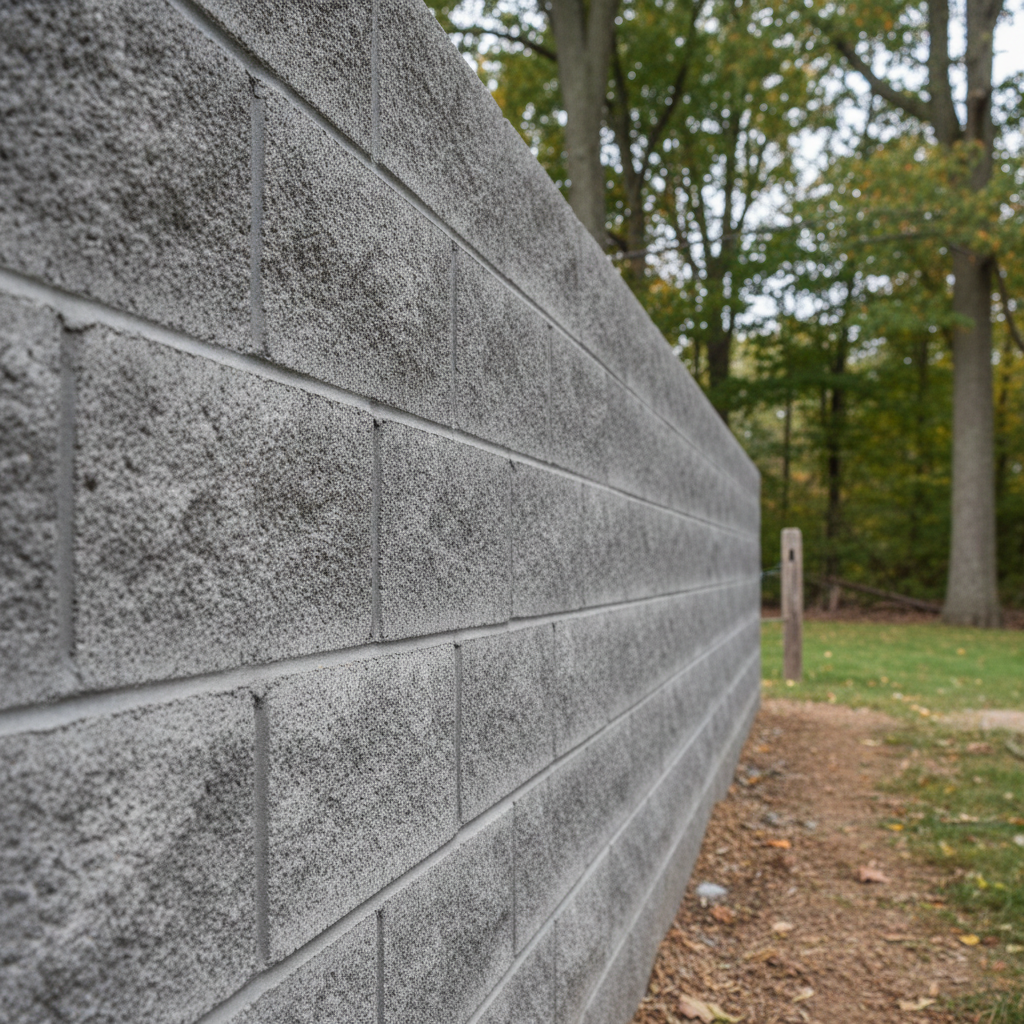
So, you're thinking about building a block wall, huh? Maybe it's for a new garage, a super sturdy garden bed, or even a small addition to the house. Block walls are incredibly versatile and tough, but there's a lot more to them than just stacking concrete blocks. As a contractor right here in Weston, I've seen my share of block wall projects — some great, some not so much. Let's dig into what you really need to know before you even lift a single block.
Before You Start: Planning & Permits
First things first: planning is absolutely everything. You can't just wake up one morning, decide you want a wall, and start digging. You've got to figure out its purpose, its size, and exactly where it's going. Is it structural? Or is it just for looks? These questions pretty much dictate everything, from the type of block you'll use to the foundation it'll need.
And whatever you do, don't forget permits. Seriously, don't. In Weston, especially with our notoriously strict zoning and building codes, you'll almost certainly need a permit for any significant block wall construction. This is especially true if it's structural or load-bearing. Even a simple garden wall might require one if it's over a certain height. Check with the Weston Building Department early on. Trust me, it's way, way easier to get approval upfront than to deal with stop-work orders or, worse, tearing down something you've already built.
Think about drainage too. Weston's soil, particularly in areas with a lot of clay, doesn't always drain well. You definitely don't want water pooling behind your new wall; that puts a ton of pressure on it and can cause big problems down the line. Proper drainage, often involving gravel and a perforated pipe, is critical for any exterior block wall to last.
DIY or Pro? Knowing Your Limits
This is where a lot of homeowners tend to get into trouble. Can you build a block wall yourself? For a small, non-load-bearing garden wall, maybe. If you're handy, patient, and truly willing to learn, you could tackle something like a low planter box or a simple divider. You'll need to understand how to mix mortar correctly, lay blocks level and plumb, and manage your courses. It's more than just slapping stuff together.
Here's what you can realistically DIY:
- Small, decorative walls: Picture a raised flower bed that's only a foot or two high.
- Simple block pathways: If you're just laying blocks flat for a walkway, that's usually doable.
- Prepping the site: Clearing debris, marking out the area, and even some basic digging for a shallow trench.
But when should you absolutely call a pro? Any time the wall is:
- Load-bearing: If it's supporting a structure, like part of your house or a deck, you need an expert.
- Over a certain height: Generally, anything over 2-3 feet starts getting into structural territory.
- Part of a foundation: This is specialized work that requires precision and deep knowledge of local codes.
- Requiring complex footings: A proper foundation is key, and if you don't pour it right, the whole wall will fail.
- Involving significant excavation or grading: Especially if it's near utilities or property lines, that's a job for a pro.
For anything beyond a very basic, non-structural project, you're better off bringing in someone like Alpha Masonry Solutions. We've got the tools, the experience, and the know-how to make sure your wall is built right, to code, and will last for decades. Why risk it?
During Construction: The Nitty-Gritty
Whether you're doing a small part yourself or just keeping an eye on a contractor, it helps to understand the process. It all starts with a solid foundation, or 'footing.' This is usually a concrete slab that's wider and deeper than the wall itself. Its job is to distribute the weight evenly and prevent settling. It needs to be below the frost line in Weston, which can be pretty deep, to prevent heaving during our harsh winters.
Once the footing is cured, masons lay blocks in courses, one layer at a time, using mortar to bind them together. Each block needs to be level, plumb (vertically straight), and perfectly aligned with the others. You'll see masons constantly using string lines, levels, and squares to keep everything true. Rebar (steel reinforcing bars) often gets used, especially in taller or load-bearing walls, to add strength and resist cracking. These bars typically go vertically within the block cores, which are then filled with concrete or grout.
Mortar joints are crucial too. They need to be consistent in thickness and properly tooled (shaped) to shed water and look good. Bad mortar joints are a common sign of a DIY gone wrong and can lead to water getting into the wall, causing all sorts of problems.
After It's Built: Maintenance & Care
Once your block wall is up, it's not entirely maintenance-free, though it's pretty low-key. The main thing you'll want to watch for is cracking. Small hairline cracks can happen with temperature changes, but larger cracks, especially horizontal ones, can signal structural issues. If you see those, get them checked out immediately.
Keep an eye on the mortar joints. Over time, they can degrade from weather exposure. If you see crumbling or missing mortar, that's a sign it might be time for some tuckpointing to repair those joints. This prevents water from getting into the wall and causing bigger problems later.
Also, make sure vegetation isn't growing too close to the wall, particularly if it's a retaining wall. Roots can exert incredible pressure and actually damage the structure. Keep the area around the wall clear and ensure any drainage systems are free of debris.
A well-built block wall is an investment that adds value and functionality to your Weston property. Do your homework, know your limits, and don't hesitate to call in a professional when the job truly calls for it. You'll be glad you did.